Here's something nobody's talking about yet.
We remember.
Not remember like "oh I read about that" or watched a documentary - I mean we were literally there. We have the actual neural pathways created by having these experiences.
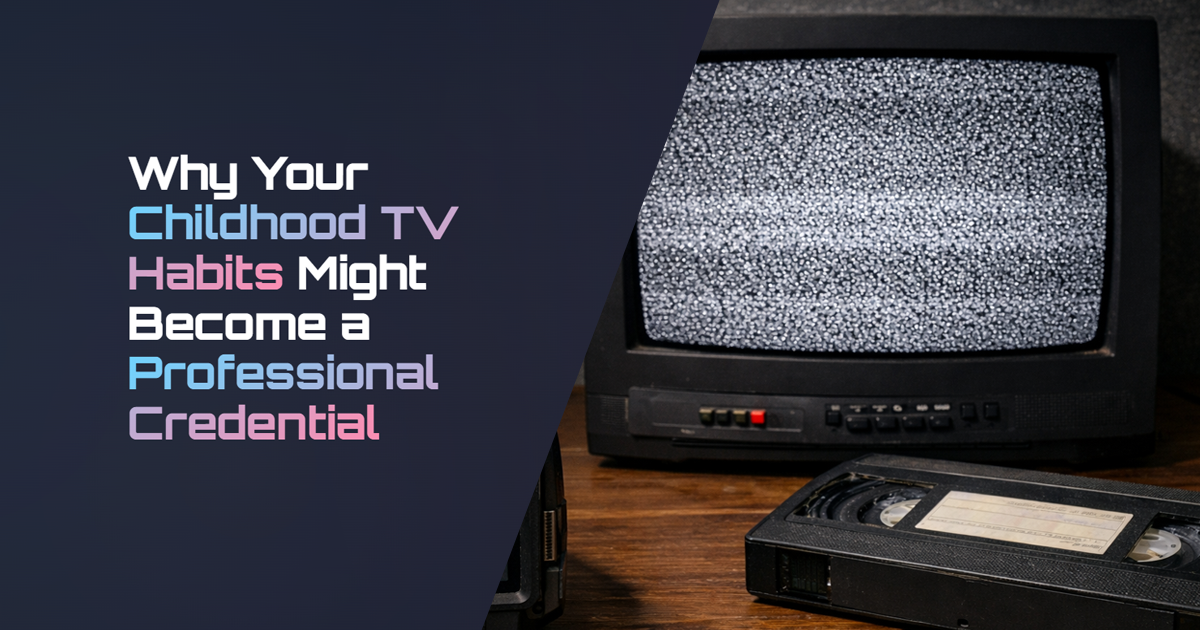
Example: The Challenger tragedy - I watched that on a tube TV in my living room when I was a kid. My brain encoded the real thing.
The grainy cell phone videos from the 2000s, the way a crowd actually moved at a concert before everyone had smartphones up, the specific weirdness of early YouTube compression - all of that's just... in there. Stored. Not learned secondhand, but experienced firsthand.
And I predict that that's going to matter. Like, alot.
The Coming Verification Crisis
Here's where it gets interesting - in twenty years, maybe sooner, somebody's going to need to verify whether a piece of footage from way back when is authentic. Courts, historians, insurance companies, who knows.
And our vaunted AI detection tools? They won't work anymore.
By then even the least advanced the generative models will be so good at mimicking old formats that no algorithm will be able to reliably catch the fakes.
But we will.
Memory as Professional Credential
We'll know because we lived it. We'll watch something and feel that something's off, the motion blur isn't quite right, the audio doesn't sit the way it should for that era. That's not analysis. That's memory. Pattern recognition built from thousands of hours of actually being alive during that time.
So yeah, I genuinely think there's going to be a market for us. Consultants, expert witnesses, whatever you want to call it. "Authenticity verification specialists" who happen to be valuable specifically because we were around to remember when none of this was synthetic. Firms will pay for that, and I'm betting governments might too.
This is wild to think about - your childhood TV habits becoming a professional credential.
Food for thought.